How to Treat a Burn at Home | When to Seek Urgent Care
How to Treat a Burn at Home | When to Seek Urgent Care
Most burns can be treated at home, if you know how to treat a burn correctly and can recognize the ones that can't wait. The first few minutes matter more than anything you do afterward, and some of the most common home remedies actually make burns worse. Here's what to do, what to skip, and the signs that mean it's time to come in.
First, Figure Out What Kind of Burn You Have
How you treat a burn depends on how deep it goes. You don't need to memorize medical terminology — just look at the skin.
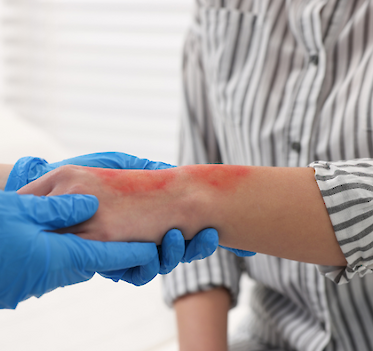
- First-degree burns affect only the outer layer of skin. The area is red, dry, and painful — think of a mild sunburn or a quick brush against a hot pan. These almost always heal at home within a week.
- Second-degree burns go deeper. The skin blisters, looks wet or shiny, and hurts significantly. Small second-degree burns can often be managed at home, but larger ones — or blisters in sensitive areas — need to be evaluated.
- Third-degree burns damage every layer of skin. The area may look white, leathery, or charred, and it may not hurt at all because the nerves are damaged. These are always an emergency. Call 911 or go straight to the ER — don't attempt home treatment and don't wait.
How to Treat a Minor Burn at Home
For first-degree burns and small second-degree burns, the goal is simple: cool the burn, protect the skin, and manage the pain.
- Cool it with running water — immediately. Hold the burn under cool (not cold) running water for 10 to 20 minutes. This is the single most effective thing you can do, and it works best in the first few minutes after the injury.
- Remove rings, watches, and tight clothing from the area before swelling starts. Don't pull away anything that's stuck to the skin.
- Wash gently with mild soap and water once the burn has cooled, then pat dry.
- Apply aloe vera or a gentle moisturizer to a first-degree burn to soothe the skin. For blistered burns, a thin layer of antibiotic ointment is a better choice.
- Cover it loosely with a sterile, non-stick bandage. Keep the dressing clean and change it daily.
- Manage pain with over-the-counter ibuprofen or acetaminophen as directed on the label.
- Leave blisters alone. Intact blisters are a natural barrier against infection. Popping them opens the door to bacteria.
Burn Treatment Myths That Make Things Worse
Some of the most common burn “remedies” passed around kitchens and job sites do real harm. If you remember nothing else from this post, remember what not to do:
- No butter, oil, or grease. They trap heat in the skin and raise infection risk. This is the most persistent burn myth there is.
- No ice or ice water. Extreme cold can damage burned tissue further and even cause frostbite on already-injured skin. Cool running water only.
- No toothpaste. It isn't sterile, it irritates the skin, and it makes the burn harder to clean and evaluate later.
- No hydrogen peroxide or rubbing alcohol. Both damage healing tissue. Mild soap and water is all the cleaning a minor burn needs.
When a Burn Needs Urgent Care
Even a burn that seems manageable at first should be evaluated if any of the following apply:
- It's larger than the palm of your hand — palm size is the quick rule of thumb for when a burn is too big for home care.
- It's on the face, hands, feet, genitals, or over a joint. Burns in these areas can affect function and scar badly without proper treatment, even when they look small.
- It's a second-degree burn with large or spreading blisters.
- You see signs of infection — increasing redness, swelling, warmth, pus, red streaks, or fever in the days after the burn.
- It's a chemical or electrical burn. Both can cause damage deeper than what's visible on the surface.
- It isn't healing. A minor burn that looks no better after two weeks needs a medical look.
- Your tetanus shot isn't current. Burns break the skin barrier, and a booster is recommended if it's been more than five years.
Be extra cautious with young children and older adults — their skin is thinner, burns go deeper faster, and what looks minor can be more serious than it appears.
“Mistakes we see are waiting too long on blistered burns. If a burn blisters and it's bigger than a quarter or it's on a hand, joint or face come let us look at it. Treating it right in the first day or can help or reduce infection and scarring.”
— Dr. Spencer Reynolds, HealthCARE Express
What to Expect at Your Visit
Every summer, our clinics from Texarkana to Longview see a jump in grill burns, firework injuries, and hot-liquid scalds — so this is a visit our teams handle routinely. We'll clean and assess the burn, apply the right dressing, update your tetanus shot if you need one, and send you home with clear instructions for changing the dressing and watching for infection. Most burn visits take well under an hour from the time you walk in.
Walk into any HealthCare Express Location no appointment needed. Find your nearest clinic