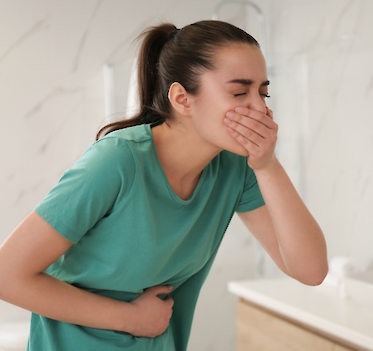
How Long Does Food Poisoning Last? Normal vs. Too Long
How Long Does Food Poisoning Last — and When Is It Too Long?
So how long does food poisoning last? For most people, 24 to 48 hours — miserable, but over quickly. The real question is knowing when your symptoms are following the normal timeline and when they've crossed into territory that needs medical attention. Here's what to expect hour by hour, how to get through it at home, and the point where waiting it out stops being the right call.
Why Food Poisoning Hits Fast and (Usually) Leaves Fast
Food poisoning happens when you eat something contaminated with bacteria, viruses, or the toxins they produce. Your body's response — vomiting and diarrhea — is unpleasant by design. It's how your system flushes the problem out, which is why most cases resolve on their own once the job is done.
The culprit matters. Toxin-based illness (think food left out too long at a cookout) can hit within 1 to 6 hours of eating and burn out within a day. Common bacteria like Salmonella or Campylobacter take 6 hours to a few days to show up and can hang on longer. You usually won't know which one you have — which is why the timeline of your symptoms is the most useful thing to track.
The Food Poisoning Timeline: What's Normal at 24, 48, and 72 Hours
The first 24 hours
This is typically the worst of it — nausea, vomiting, stomach cramps, diarrhea, and sometimes a low-grade fever. Rough as it feels, this phase is normal. Your main job is staying hydrated, not stopping the symptoms.
24 to 48 hours
Vomiting usually settles first. Diarrhea and fatigue often linger, but you should notice a clear direction: fewer episodes, longer stretches of feeling okay, ability to keep fluids down. Improvement — even slow improvement — means you're on the normal track.
48 to 72 hours
Most people are eating light meals and getting back to normal by day three. Feeling washed out for another day or two afterward is common. What's not normal is symptoms that are just as intense on day three as they were on day one.
Beyond 72 hours
Diarrhea that persists past three days — or any symptom that's getting worse instead of better at any point — is your signal to stop waiting and get evaluated. Some bacterial infections need testing and treatment, and prolonged fluid loss becomes its own problem.
How to Get Through It at Home
- Sip fluids constantly, in small amounts. Water, clear broth, or an oral rehydration solution like Pedialyte. Big gulps tend to come right back up — small, frequent sips stay down.
- Let your stomach rest, then reintroduce bland foods. Once you've kept fluids down for a few hours, try crackers, toast, rice, or bananas. Skip dairy, caffeine, alcohol, and anything greasy or spicy until you're fully recovered.
- Rest. Your body is fighting something off and losing fluids at the same time. This is not the day to push through.
- Be careful with anti-diarrheal medication. Slowing things down can keep bacteria and toxins in your system longer. If you have a fever or blood in your stool, skip it entirely and get seen instead.
When Food Poisoning Needs Urgent Care
Come in — don't wait — if any of these show up at any point in the timeline:
- Signs of dehydration: dizziness when standing, dark urine or barely urinating, dry mouth, rapid heartbeat, or confusion. This is the most common serious complication of food poisoning.
- You can't keep any fluids down for more than 12 to 24 hours.
- Blood in your vomit or stool.
- Fever of 102°F or higher.
- Diarrhea lasting more than three days.
- Severe abdominal pain that's localized or worsening rather than crampy and coming in waves.
Lower the threshold for young children, older adults, pregnant women, and anyone with a weakened immune system — dehydration develops faster and hits harder in these groups, and what's a rough weekend for a healthy adult can be dangerous for them.
“People tough out food poisoning far longer than they should. If you're dizzy when you stand up or you haven't kept fluids down all day, you're past the point of riding it out — that's dehydration, and it's exactly what we can fix quickly with IV fluids. You'll feel dramatically better before you leave.”
— Dr. Spencer Reynolds, HealthCARE Express
What to Expect at Your Visit
Summer is peak season for this — our clinics in markets like Shreveport and Oklahoma City see a reliable rise in food poisoning visits when cookout and potluck season arrives. When you come in, we'll assess how dehydrated you are, start IV fluids if you need them, treat the nausea, and run stool testing when symptoms suggest a bacterial cause that needs targeted treatment. Most patients walk out feeling significantly better than they walked in.
Walk into any HealthCARE Express location - no appointment needed.Find your nearest clinic.