Heat Exhaustion Symptoms: When to Go to Urgent Care
Heat Exhaustion Symptoms: When to Go to Urgent Care
Heat exhaustion sends thousands of people to clinics and ERs every summer — and most of them ignored the early warning signs for hours before they got there. With temperatures spiking across Texas, Arkansas, Oklahoma, and Louisiana this week, knowing the symptoms of heat exhaustion — and knowing when it's time to get checked out — can keep a rough afternoon from turning into something serious.
What Are the Signs of Heat Exhaustion?
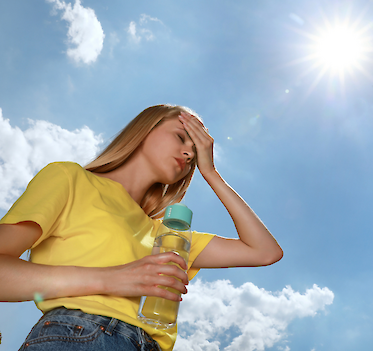
Heat exhaustion happens when your body overheats faster than it can cool itself down, usually after time in high heat combined with dehydration. It doesn't always announce itself dramatically — the early signs are easy to write off as just being hot and tired. Watch for:
- Heavy sweating
- Dizziness or lightheadedness
- Nausea or vomiting
- Cool, pale, or clammy skin
- Weakness or muscle cramps
- Headache
- Fast, weak pulse
Notice that cool, clammy skin is on the list. A lot of people assume an overheated person will feel hot to the touch — but with heat exhaustion, the skin often feels cool and damp because the body is sweating heavily to try to cool down. That's part of what makes it easy to miss.
“The pattern we see every summer is the same: someone spends a few hours outside, brushes off the dizziness and the headache, and keeps pushing. Heat exhaustion responds really well to early treatment — the danger is in waiting it out.”
— Dr. Spencer Reynolds, HealthCARE Express
Heat Exhaustion vs. Heat Stroke: Know the Difference
Heat exhaustion is serious but treatable. Heat stroke is a medical emergency. The difference matters, because the response is completely different.
Heat stroke happens when the body's cooling system shuts down entirely. The warning signs: a body temperature of 103°F or higher, hot and red skin (often dry — the sweating has stopped), confusion or slurred speech, a rapid strong pulse, and loss of consciousness. If you see these signs in someone, call 911 immediately. Don't drive them to a clinic — heat stroke can cause permanent organ damage within minutes, and it needs emergency care.
If the symptoms look like the heat exhaustion list above — sweating, dizziness, nausea, clammy skin — and the person is alert and responsive, that's the window where urgent care can help.
What to Do First When Heat Exhaustion Hits
If you or someone with you starts showing symptoms, act right away:
- Get out of the heat — into air conditioning if possible, or at minimum into shade
- Sip water or a sports drink slowly — don't gulp
- Loosen tight clothing and remove extra layers
- Cool the skin with wet cloths, a cool shower, or a fan
- Lie down and elevate the legs slightly
Most people start to feel better within 30 minutes to an hour of cooling down and rehydrating. If the symptoms aren't improving in that window — or if they're getting worse — that's your signal to get seen.
When Should You Go to Urgent Care for Heat Exhaustion?
Come in if symptoms last longer than an hour despite cooling down and drinking fluids, if you can't keep fluids down because of nausea or vomiting, if the dizziness or weakness makes it hard to stand, or if muscle cramps are severe. You should also come in if the person affected is a child, an older adult, or someone with a heart condition, diabetes, or other chronic illness — heat affects these groups faster and harder.
At the clinic, we can check your vitals, treat dehydration — including IV fluids when you need them — and make sure nothing more serious is developing. It's a quick visit that takes the guesswork out of a situation where guessing wrong has real consequences. Summers in our part of the country don't ease up, and our clinics from Texarkana to Shreveport to Oklahoma City see a steady stream of heat-related visits from June through September.
How to Stay Ahead of the Heat
The best treatment is not needing one. Drink water before you feel thirsty — thirst lags behind dehydration. Schedule outdoor work and exercise for early morning or evening. Take breaks in shade or air conditioning every hour. Wear lightweight, light-colored, loose clothing. And check on neighbors and family members who live alone, especially older adults — they're the group most likely to get in trouble without anyone noticing.
If the heat gets ahead of you anyway, walk into any HealthCARE Express location — no appointment needed. Find your nearest clinic →