The Essential Urgent Care Kit for Kids: What Every Parent Should Have
The Essential Urgent Care Kit for Kids: What Every Parent Should Have
Kids are adventurous, curious, and sometimes a little reckless which means bumps, scrapes, fevers, and sniffles are bound to happen. Being prepared with an essential urgent care kit for kids can make a world of difference when minor illnesses or injuries pop up at home, at school, or on the go.
At HealthCARE Express, we believe that having the right supplies on hand helps parents respond quickly and confidently, while knowing when it’s time to seek professional care.
Why Every Family Needs an Essential Urgent Care Kit
Having a well-stocked pediatric urgent care kit is about more than convenience it’s about safety, preparedness, and peace of mind. Minor injuries or sudden illnesses can escalate if not addressed promptly. With your kit ready, you can:
-
Treat minor issues quickly
-
Prevent infections and discomfort
-
Make informed decisions about when to come to urgent care
-
Reduce stress for both parent and child
Think of your kit as the first line of defense for common childhood health challenges.
What to Include in Your Pediatric Urgent Care Kit
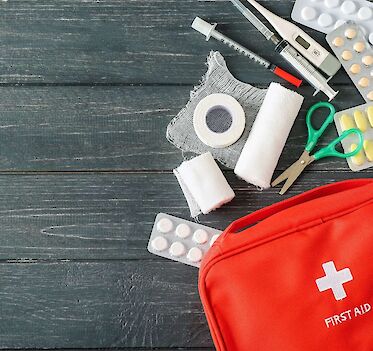
Here’s a breakdown of the key items every parent should have in an essential urgent care kit for kids, organized by category.
Fever & Illness Essentials
Fever is common in children and can indicate a minor virus or something more serious. Your kit should include:
-
Digital thermometer: For accurate readings. Consider one with a flexible tip for comfort.
-
Children’s acetaminophen (Tylenol) & ibuprofen (Advil/Motrin): For fever and pain relief.
-
Dosing syringe or cup: Ensures correct medication dosing.
-
Electrolyte packets or drinks (Pedialyte): To prevent dehydration during fever, vomiting, or diarrhea.
Tip: Always follow age- and weight-based dosing instructions. If a fever persists longer than 3 days or is extremely high, visit HealthCARE Express immediately.
Cold, Flu & Allergy Supplies
Kids are prone to colds, seasonal allergies, and congestion. These items can make them more comfortable:
-
Saline nasal spray and bulb syringe: Helps clear nasal passages in infants and toddlers.
-
Child-safe antihistamines: Useful for allergy flare-ups (check with your provider).
-
Cool mist humidifier: Optional, but helps ease breathing at night.
Scenario: If your child wakes up congested and cranky, using a saline spray before bed can help them breathe easier and sleep better.
Cuts, Scrapes & Minor Injuries
Kids are always on the move, so expect bumps and bruises. Include:
-
Adhesive bandages (various sizes)
-
Sterile gauze pads and medical tape
-
Antiseptic wipes and antibiotic ointment
-
Instant cold packs
Tip: Clean wounds gently, apply ointment, and cover with a bandage. If bleeding doesn’t stop after 10 minutes, or if the cut is deep, seek urgent care.
Bites, Rashes & Skin Care
Outdoor adventures often mean bug bites, scrapes, or rashes. Stock:
-
Hydrocortisone cream
-
Calamine lotion or anti-itch cream
-
Bug bite relief stick
-
Child-safe sunscreen
Scenario: After a day outside, your child develops a red, itchy rash. Applying hydrocortisone cream can reduce irritation, but if it spreads or is accompanied by fever, visit urgent care.
Stomach & Digestive Aids
Kids sometimes get stomachaches, nausea, or dehydration:
-
Oral rehydration solutions
-
Motion sickness bands (for older children)
-
Thermometer (yes, another one — fevers often accompany stomach issues!)
Tip: Encourage small sips of fluids frequently if your child is vomiting or has diarrhea. Persistent vomiting or signs of dehydration (dry mouth, no urination) require urgent care evaluation.
Important Extras Parents Often Forget
These items can save time and stress:
-
Emergency contact list (pediatrician, poison control, and local urgent care numbers)
-
Child’s weight (for accurate medication dosing)
-
Allergy and medical condition list
-
Copy of insurance card
-
HealthCARE Express location info for quick access
Tip: Keep your kit in a portable container, labeled, and easily accessible.Check expiration dates every 6 months.
How to Organize Your Kit
-
Use a clear plastic bin or bag with compartments
-
Label each section (Fever, Allergies, Injuries, Digestive, Extras)
-
Keep the kit in a cool, dry place
-
Consider a smaller travel kit for car trips, sleepovers, or vacations
Scenario: Having a portable kit in your car means you’re prepared for sudden fevers, scrapes, or allergies during soccer practice or a weekend getaway.
When to Seek Professional Care
Even with a well-stocked kit, some situations require medical attention. Bring your child to HealthCARE Express if you notice:
-
Fever lasting more than 3 days or extremely high temperature
-
Difficulty breathing or persistent wheezing
-
Severe pain or swelling
-
Deep cuts or wounds that may need stitches
-
Vomiting or diarrhea that doesn’t improve or leads to dehydration
-
Symptoms that worsen instead of getting better
Early evaluation and treatment make a big difference in recovery and peace of mind.
Bottom Line
A well-stocked essential urgent care kit for kids is a parent’s best friend. It helps you handle minor injuries and illnesses confidently and gives you the tools to know when it’s time for urgent care.
Being prepared can make the difference between a stressful situation and a manageable one. And when in doubt, HealthCARE Express is here for quick, convenient, walk-in care for your kids and family.
Walk in today — no appointment needed!