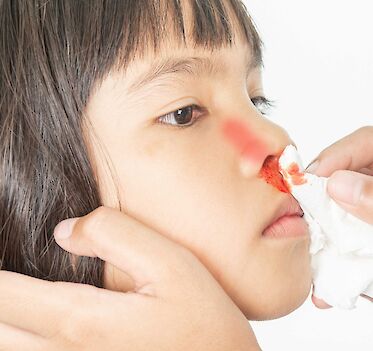
Nosebleeds in Kids: What’s Normal and When to Seek Care
Nosebleeds in Kids: What’s Normal and When to Seek Care
As the seasons change, you may notice your child experiencing more nosebleeds than usual. Dry indoor air, allergies, and cold weather can all irritate the delicate blood vessels in the nose, making nosebleeds a common occurrence especially in children.
While nosebleeds can be alarming, most are minor and easy to manage at home.
Why Kids Get Nosebleeds This Time of Year
-
Dry air: Heated indoor environments can dry out nasal passages
-
Allergies: Seasonal allergies can cause inflammation and irritation
-
Colds or sinus infections: Sneezing and nose blowing can trigger minor bleeding
-
Minor injuries: Even a small bump or nose pick can start a nosebleed
How to Manage a Nosebleed at Home
Most nosebleeds are not dangerous. Here’s what to do:
-
Have your child sit up and lean slightly forward (not back — this prevents swallowing blood).
-
Pinch the soft part of the nose for 10–15 minutes.
-
Apply a cool compress to the bridge of the nose if needed.
-
Keep them calm and still while bleeding stops.
-
Moisturize nasal passages with saline spray or a small amount of petroleum jelly to prevent dryness.
When to Seek Urgent Care
Sometimes, a nosebleed can be more serious. Contact a healthcare provider or visit urgent care if:
-
Bleeding won’t stop after 20 minutes of pressure
-
Your child has frequent or heavy nosebleeds
-
Bleeding is accompanied by dizziness, fainting, or bruising
-
You notice large amounts of blood or the nosebleed was caused by a significant injury
If the bleeding seems extreme or your child is showing other concerning symptoms, head straight to the nearest hospital for immediate evaluation.
How HealthCARE Express Can Help
For most nosebleeds, HealthCARE Express urgent care clinics provide fast, friendly, and expert care for children. Our providers can:
-
Assess whether the nosebleed is minor or requires more attention
-
Offer treatment to stop persistent bleeding
-
Give parents guidance on preventing future nosebleeds
Our goal is to give parents peace of mind while keeping kids safe and comfortable.
Bottom Line
Seasonal nosebleeds in children are often harmless, but it’s always better to be safe than sorry. If you’re unsure or the bleeding seems excessive, visit a HealthCARE Express clinic near you for pediatric urgent care you can trust.